

Wrestling with Truth: When God's Design Challenges Our Desires
The book of Romans presents us with one of Scripture's most unflinching examinations of human nature. Written to a diverse community of believers navigating a complex cultural landscape, this ancient letter speaks with startling relevance to our modern world. As we dive deeper into Romans chapter one, we encounter uncomfortable truths that force us to examine not just society around us, but the condition of our own hearts.
The Pattern of Rejection
Paul's argument in Romans builds systematically. Humanity has suppressed the truth about God, choosing instead to worship created things rather than the Creator. The consequences of this rejection follow a disturbing pattern: God gives us over to the very things we desire when we push Him away.
Three times in this passage, we encounter the phrase "God gave them over." First, to the sinful desires of their hearts. Second, to shameful lusts. Finally, to a depraved mind. This isn't divine punishment in the traditional sense—it's the horrifying freedom of getting exactly what we demanded. C.S. Lewis captured this reality powerfully when he described people enjoying "forever the horrible freedom that they have demanded and are therefore self-enslaved."
True freedom isn't found in pursuing every desire. It's discovered when we're freed from the slavery of our own unchecked appetites.

Can We Really See God in Creation?
The question of God's existence has echoed through human history, from ancient philosophers to modern scientists launching rockets toward the moon. It's a question that deserves honest exploration, not just comfortable assumptions. What if we could discover evidence of God simply by looking at the world around us? What if creation itself testifies to a Creator?
This isn't about winning arguments or proving points. It's about opening our eyes to what has been plainly visible all along—if we're willing to see it.
The Problem We Must Face
Before we can appreciate any good news, we must first acknowledge the bad news. Until we recognize our condition, we cannot fully understand the remedy offered to us. It's like ignoring the warning signs in your home—the crack in the foundation, the leak in the ceiling. Avoiding the problem doesn't make it disappear; it only allows the damage to worsen.
Romans 1:18 presents us with a sobering reality: "The wrath of God is being revealed from heaven against all godlessness and wickedness of people who suppress the truth by their wickedness."
God's wrath isn't capricious anger. It's righteous response—the kind of indignation that rises in us when we witness injustice. Because God is perfectly good, perfectly right, perfectly holy, He cannot ignore what opposes His nature. His righteousness demands a response to godlessness and wickedness.
But notice something crucial: we suppress the truth. Like pushing a beach ball underwater, we actively work to keep truth submerged beneath the surface of our consciousness. The longer we suppress it, the less aware we become of what we're doing. Our perception shifts. What once seemed clearly wrong becomes acceptable, even celebrated.
Living Unashamed: Embracing the Power of the Gospel
The book of Romans has been described as having the unpredictability of spring weather—some days are beautiful and sunny, while others bring unexpected challenges. This ancient letter contains both breathtaking truths and difficult realities, much like the season we're experiencing right now. It addresses the depravity of humankind, the holiness of God, and the hope we have in Jesus. It tackles the challenging relationship between different groups of people and encourages us toward unity.
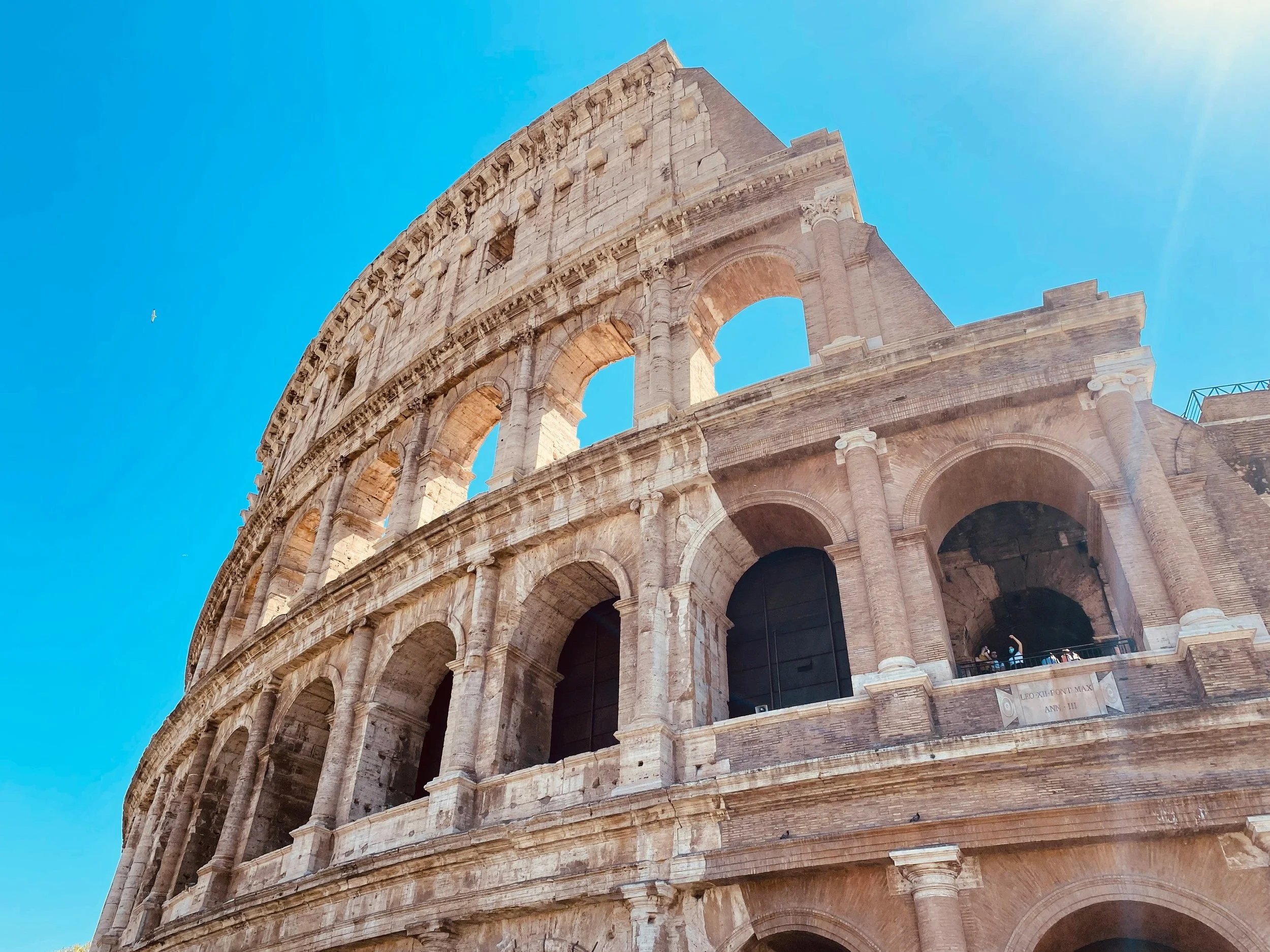
Written around 57-58 AD to a church in Rome that Paul had never visited, this letter was penned during Paul's third missionary journey, likely from the city of Corinth. The church in Rome was unique—a mixture of Jewish believers and Gentile converts, each bringing their own perspectives and traditions. This diversity created tension. When Emperor Claudius expelled all Jews from Rome in 49 AD, the Gentile believers developed their own practices. When the Jewish believers returned, conflict erupted over how to live out their faith.
Into this complex situation, Paul wrote not just a theology textbook, but a practical guide for living unified in Christ despite our differences.