

What Is Life Forming You Into?
There is a question worth sitting with today, one that cuts past the surface of daily routine and reaches into the deeper current of who you are becoming: What is life forming you into?
The longer we live, the more clearly we see a pattern emerge in the people around us. Some grow harder over time. Each disappointment, each betrayal, each unmet expectation adds another layer of armor until the person inside becomes difficult to reach. Others, somehow, grow softer. More patient. More willing to forgive. More genuinely loving toward the very people who are easiest to write off. The difference between these two trajectories is not circumstance. It is something far more intentional.
The Egg and the Armor We Build
Think back to the classic science class egg drop experiment. You are handed a raw egg and a pile of supplies, and your job is to protect it from the fall. You wrap it, reinforce it, cushion it from every angle. The goal is survival.
Many of us have done the same thing with our hearts.
Life happens. Someone says something cruel. A friendship collapses. A wound goes unaddressed and quietly hardens into bitterness. A disappointment piles on top of another until we stop expecting anything good. And slowly, without even realizing it, we build layer after layer around ourselves to make sure nothing can crack us open again.
The problem is that all that protective scaffolding does not actually protect us. It isolates us. It keeps out the hurt, yes, but it also keeps out the love. It keeps us from being fully known, and therefore from being fully loved. And it keeps us from extending genuine love to anyone else.
God calls us to something entirely different.
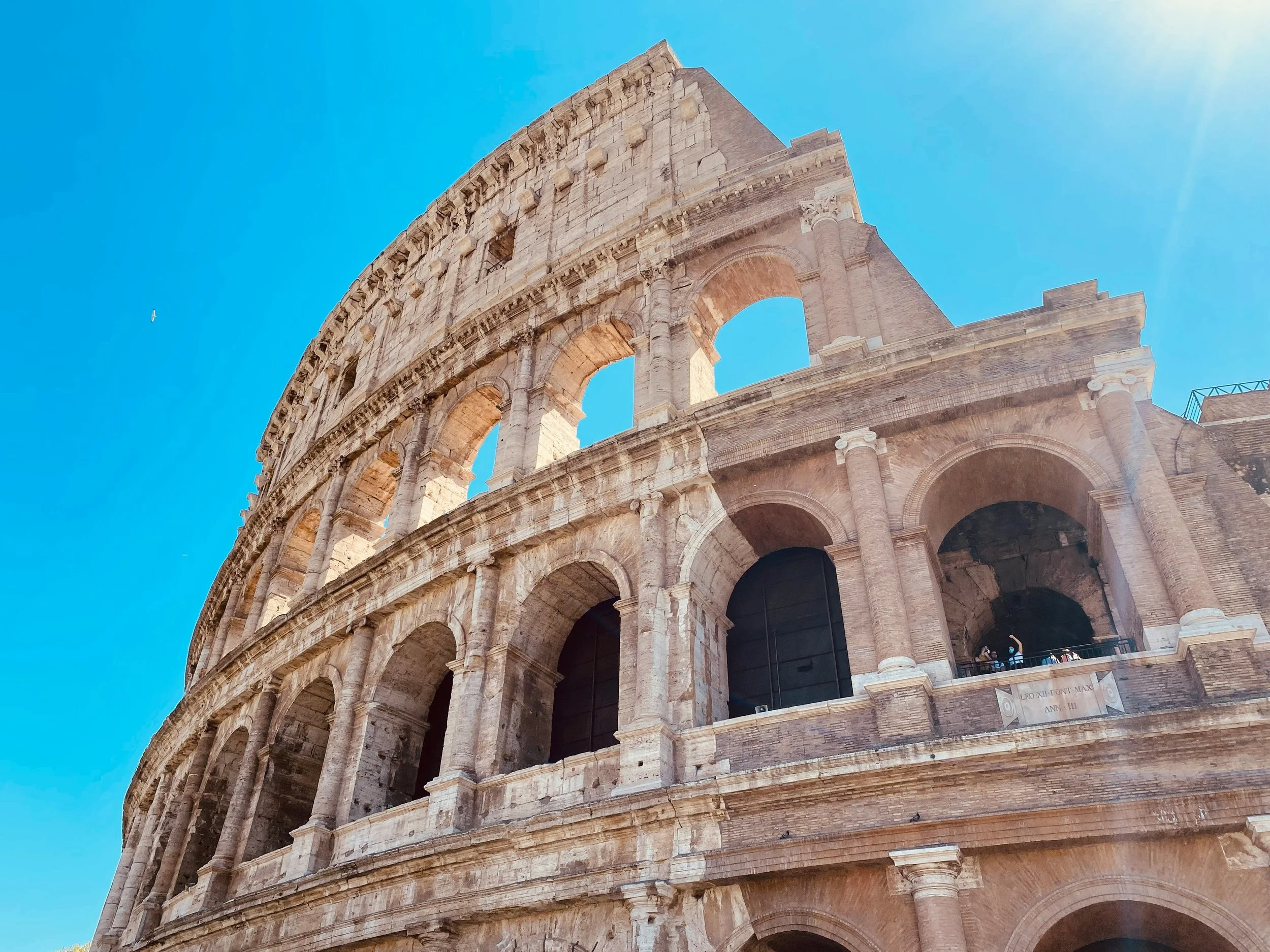
Living Unashamed: Embracing the Power of the Gospel
The book of Romans has been described as having the unpredictability of spring weather—some days are beautiful and sunny, while others bring unexpected challenges. This ancient letter contains both breathtaking truths and difficult realities, much like the season we're experiencing right now. It addresses the depravity of humankind, the holiness of God, and the hope we have in Jesus. It tackles the challenging relationship between different groups of people and encourages us toward unity.
Written around 57-58 AD to a church in Rome that Paul had never visited, this letter was penned during Paul's third missionary journey, likely from the city of Corinth. The church in Rome was unique—a mixture of Jewish believers and Gentile converts, each bringing their own perspectives and traditions. This diversity created tension. When Emperor Claudius expelled all Jews from Rome in 49 AD, the Gentile believers developed their own practices. When the Jewish believers returned, conflict erupted over how to live out their faith.
Into this complex situation, Paul wrote not just a theology textbook, but a practical guide for living unified in Christ despite our differences.

The Sacred Table: Rediscovering the Power of Communion
In a world filled with rituals that have lost their meaning, there exists one practice that has the power to transform us completely—if only we would approach it with the reverence it deserves. Communion, the Lord's Supper, the Eucharist—whatever name we know it by—this sacred moment was never meant to be a meaningless add-on to our spiritual lives. It was designed to be a living encounter with Jesus himself.
When the Extraordinary Becomes Ordinary
Somewhere along the journey of church history, we've allowed something extraordinary to become ordinary. We get excited about worship music, anticipate powerful sermons, but when it comes to communion, we often approach it with casual indifference. We go through the motions, our hearts disconnected, our minds wandering.
Yet consider this: Jesus himself, knowing everything that awaited him—the betrayal, the suffering, the cross—said with deep emotion, "I have eagerly desired to eat this Passover with you before I suffer." With everything ahead of him, his desire was to sit at the table with his people. That should stop us in our tracks.
The early church understood something we've forgotten. Their gatherings revolved around the Lord's table. They didn't view communion as something to squeeze into a service; it was the center of their worship. They believed Jesus was truly present among them, that they weren't just remembering him but actually communing with him.