

Never Give Up: How God's Relentless Love for Israel Changes Everything
There is a love that does not quit. It does not grow tired, does not lose patience, and does not revise its promises when the going gets hard. It is the love of God for his people — a love so fierce and so permanent that it became the foundation upon which every other act of divine grace in human history has been built. Understanding this love does not just change how we see Israel. It changes how we see ourselves, how we pray for our families, and how we engage with a world that desperately needs hope.
The Mystery That Changes Everything
In Romans 11:25, the apostle Paul urges his readers not to be ignorant of a mystery — something God had held close to his heart, unrevealed until the right moment. The mystery is this: Israel has experienced a partial hardening of heart until the full number of Gentiles has come in, and then all Israel will be saved. Those last four words carry the weight of one of the most audacious promises in all of Scripture.
All Israel will be saved.
If you have ever stood in a crowded street in Tel Aviv, or watched the news and wondered how such a thing could ever be possible, you are in good company. And yet the Bible is not in the business of making small promises. The greatest revival in human history has not yet been recorded in any history book. It is still ahead of us. And according to Paul, the people sitting in churches around the world — ordinary followers of Jesus — are the triggers of that awakening.
A God Who Refuses to Quit
The story of God's relationship with Israel is not the story of a perfect people. It is the story of a relentless God. Jacob, whose very name meant "heel grabber" — the swindler, the schemer — became Israel, the one who wrestled with God. That tension, that struggle between human failure and divine faithfulness, is the defining narrative of the Jewish journey. And it is also, if we are honest, our own story.
When the prophet Elijah prayed against his own people in exhaustion and frustration, God did not argue with his feelings. He simply reminded him that there was a remnant — a group of hearts still open, still chosen by grace. That remnant has always existed within Israel. And grace, by definition, cannot be earned. If it were based on works, it would no longer be grace.
This matters far beyond the borders of any nation. Anti-Semitism is not merely a political or social problem. It is a theological attack. Any suggestion that God should break his covenant with Israel strikes at the very foundation of your salvation. If God can give up on them, he can give up on you. But he will not. He cannot. His gifts and his call are irrevocable — a word Paul uses in Romans 11:29 specifically about the Jewish people, though it has been claimed by believers everywhere as a personal promise. It is both. Because the God who will not abandon Israel is the same God who will not abandon you.

What About Israel? Faith, Proximity, and the Heart of God
There is a prayer that cuts through theological complexity, cultural noise, and the weight of unanswered questions. It is short, honest, and desperately needed: Lord, increase my faith. It is the prayer of someone who recognizes that what God is doing in the world is bigger than any single perspective can contain. And it is the prayer that must anchor us as we wrestle with one of the most profound and often avoided questions in the Christian faith: what is God doing with the people of Israel?
This is not a question reserved for scholars or political commentators. It is a question that lives at the heart of the book of Romans, and it demands something from every person who claims to follow Jesus.
Reading Scripture With New Eyes
For many Western Christians, the book of Romans has been read through a narrow lens, pulled apart into memorable verses and memorized passages, stripped of its original context and audience. But Romans was written to both Jews and Gentiles, and chapters 9, 10, and 11 deal specifically with a question that Paul could not stop wrestling with: why have so many of God's chosen people rejected the Messiah they were promised?
Paul makes his heart plain in Romans 10, where he expresses his deep longing that Israel would be saved. He acknowledges their zeal for God, while also recognizing that their pursuit of righteousness had become about works rather than faith. And here is the stunning thing Paul argues: it was always supposed to be about faith. Even the law, even the promises given to Moses, pointed toward a righteousness received not by human effort but by trust in God.
The righteousness that Paul describes in Romans 10 is breathtakingly simple. Declare with your mouth that Jesus is Lord. Believe in your heart that God raised him from the dead. That is the path of salvation, and it is the same path for every human being, Jew or Gentile alike. There is no difference in how grace is received. The same Lord is Lord of all.
The Question of "They"
One of the most clarifying moments in reading Romans 10 carefully is noticing a single repeated word: they. How can they hear without someone telling them? How can they believe without hearing? How can anyone preach unless they are sent? And then, almost immediately, Paul pivots back to Israel specifically.
The answer to who "they" refers to is both general and specific. There is a universal truth about how the gospel spreads through proclamation, through sent messengers, through people willing to carry good news into unfamiliar places. But there is also a specific application: Israel has heard, and yet many have not believed. And still, God has not withdrawn his hand. The image Paul leaves us with is striking. All day long, God has held out his hands to a disobedient and obstinate people. Not past tense. Not a closed chapter. All day long.
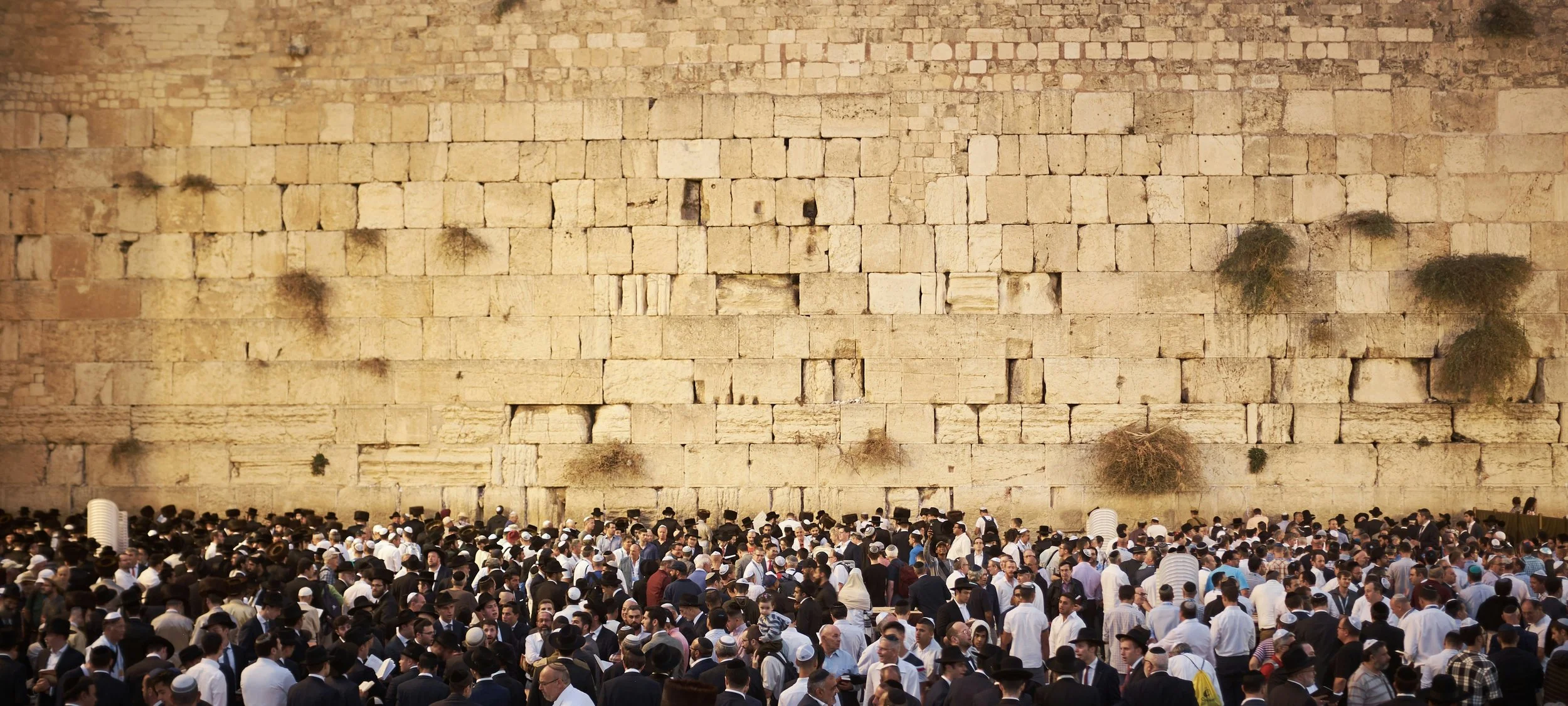
The Heartbeat of Jerusalem: Where Heaven Touches Earth
There's something magnetic about Jerusalem. A city that captures global attention far beyond its size or economic significance. Why does this ancient place stir such passion and controversy? Perhaps because Jerusalem is more than just a city - it's where the eternal touches the temporal, where heaven meets earth.
The Psalmist captures this allure beautifully: "How lovely are your dwelling places, O Lord of hosts! My soul longed and even yearned for the courts of the Lord." (Psalm 84:1-2) There's a divine drawing, a spiritual gravity that pulls hearts toward this sacred space.