

Is God Doing It Wrong?
There is a moment most of us have experienced — watching something unfold in a way that seems backward, inefficient, or simply wrong, and feeling the almost irresistible urge to step in and say so. We do it with our families, our coworkers, and if we are honest, we do it with God. We look at the circumstances of our lives, or the state of the world, and somewhere deep in our hearts we think: this is not how I would have done it.
Romans 9 invites us into exactly that tension. It is one of the most challenging passages in all of Scripture, and it refuses to let us stay comfortable. It raises enormous questions about God's character, His faithfulness, and His plan — and it does not always answer them in the neat, tidy ways we prefer. But that discomfort is not a sign that something has gone wrong. It is an invitation to trust someone whose understanding is infinitely higher than our own.
The Anguish of Unfinished Things
The apostle Paul opens Romans 9 with raw, personal grief. He is not writing from a distance about abstract theology. He is writing as a Jewish man who loves his people deeply, who recognizes everything God has given them — the covenants, the law, the promises, the patriarchs, and the Messiah himself who came through their very lineage — and who is heartbroken that so many have rejected Jesus as that Messiah. Paul goes so far as to say he would be willing to be cut off from Christ himself if it meant his people could be saved (Romans 9:3).
This is not the posture of someone who has given up. It is the posture of someone who cares so deeply that the ache is almost unbearable. And it sets the tone for everything that follows. Before we wrestle with doctrine, we are invited to feel the weight of what is at stake.
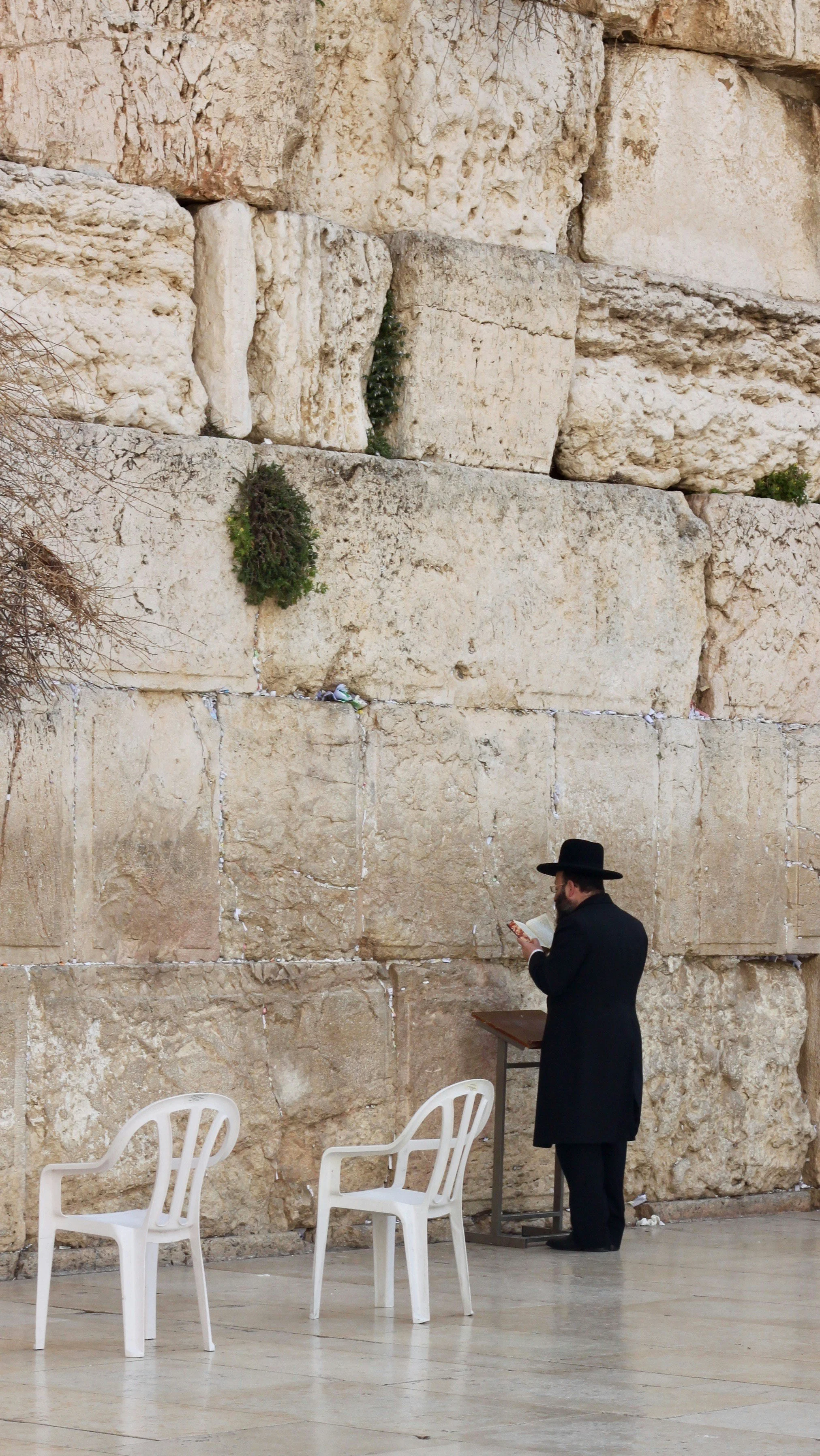
The Great Equalizer: Why None of Us Are Good Enough (And Why That's Actually Good News)
We live in a world obsessed with comparison. We measure ourselves against others constantly—our accomplishments, our morality, our spiritual dedication. We look at those who seem to be stumbling through life and think, "At least I'm not like them." We create mental hierarchies where we place ourselves comfortably above certain people while aspiring to reach the level of others.
But what if all of that comparison is completely missing the point?
The Danger of Religious Pride
The book of Romans tackles this uncomfortable truth head-on. Paul, writing to a community of both Jewish and Gentile believers in first-century Rome, confronts a particular kind of pride that's easy to overlook: religious pride.
The Jewish people of Paul's day had legitimate reasons to feel special. God had chosen them, given them His law, and established a covenant with them marked by circumcision. They possessed the very words of God. They knew what was right and wrong. Many saw themselves as "guides to the blind" and "lights to those in darkness."
Sound familiar?
Before we distance ourselves from this ancient religious pride, consider how easily we as Christians can fall into the same trap. We might think:
"I've been baptized—I'm good."
"I attend church every week—check."
"I serve in ministry and give generously—surely that counts for something."
"I know the Bible better than most people."
The hard truth is this: possession of spiritual knowledge, religious practices, or moral superiority is never enough.
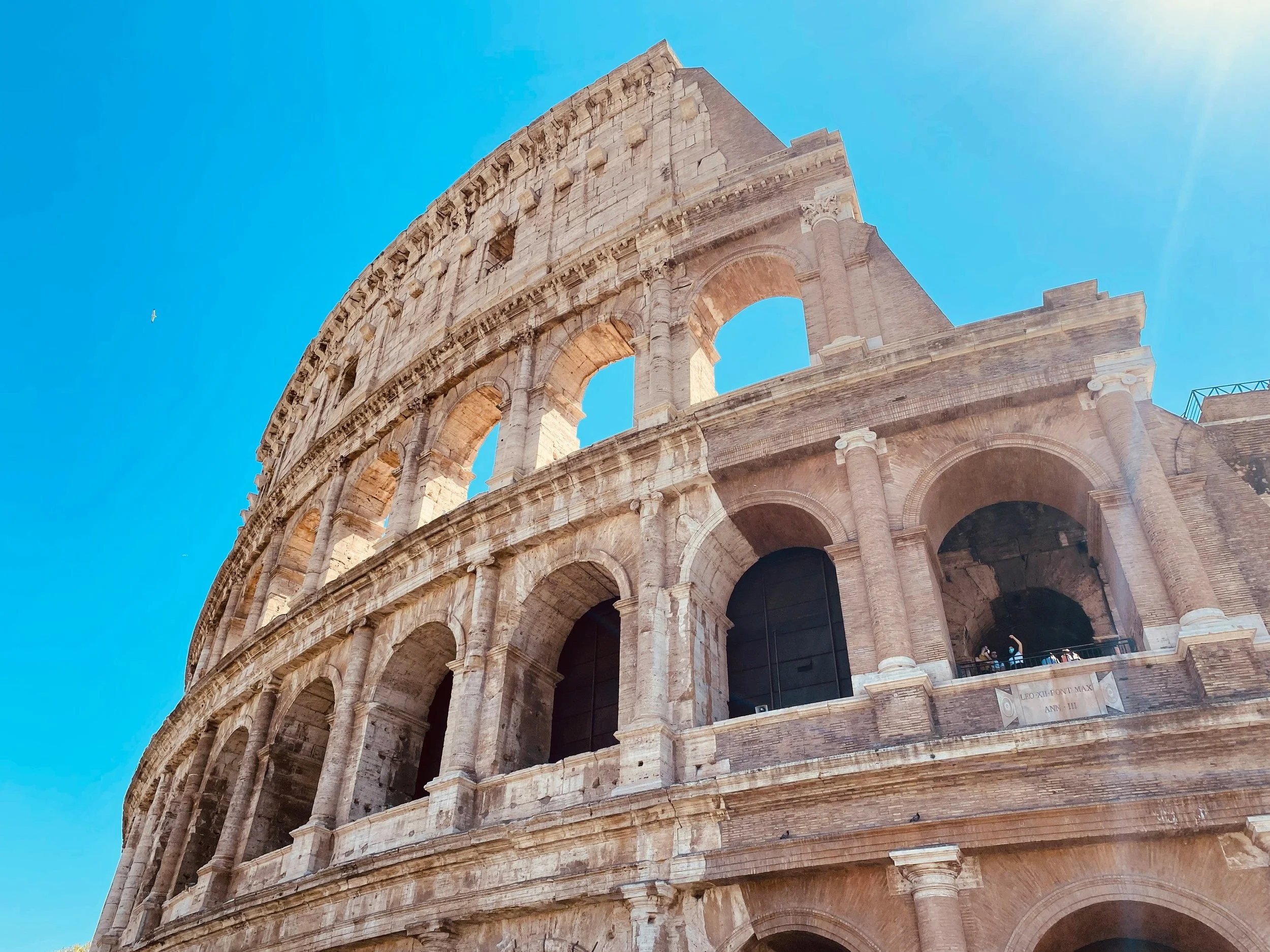
Living Unashamed: Embracing the Power of the Gospel
The book of Romans has been described as having the unpredictability of spring weather—some days are beautiful and sunny, while others bring unexpected challenges. This ancient letter contains both breathtaking truths and difficult realities, much like the season we're experiencing right now. It addresses the depravity of humankind, the holiness of God, and the hope we have in Jesus. It tackles the challenging relationship between different groups of people and encourages us toward unity.
Written around 57-58 AD to a church in Rome that Paul had never visited, this letter was penned during Paul's third missionary journey, likely from the city of Corinth. The church in Rome was unique—a mixture of Jewish believers and Gentile converts, each bringing their own perspectives and traditions. This diversity created tension. When Emperor Claudius expelled all Jews from Rome in 49 AD, the Gentile believers developed their own practices. When the Jewish believers returned, conflict erupted over how to live out their faith.
Into this complex situation, Paul wrote not just a theology textbook, but a practical guide for living unified in Christ despite our differences.