

What About Israel? Faith, Proximity, and the Heart of God
There is a prayer that cuts through theological complexity, cultural noise, and the weight of unanswered questions. It is short, honest, and desperately needed: Lord, increase my faith. It is the prayer of someone who recognizes that what God is doing in the world is bigger than any single perspective can contain. And it is the prayer that must anchor us as we wrestle with one of the most profound and often avoided questions in the Christian faith: what is God doing with the people of Israel?
This is not a question reserved for scholars or political commentators. It is a question that lives at the heart of the book of Romans, and it demands something from every person who claims to follow Jesus.
Reading Scripture With New Eyes
For many Western Christians, the book of Romans has been read through a narrow lens, pulled apart into memorable verses and memorized passages, stripped of its original context and audience. But Romans was written to both Jews and Gentiles, and chapters 9, 10, and 11 deal specifically with a question that Paul could not stop wrestling with: why have so many of God's chosen people rejected the Messiah they were promised?
Paul makes his heart plain in Romans 10, where he expresses his deep longing that Israel would be saved. He acknowledges their zeal for God, while also recognizing that their pursuit of righteousness had become about works rather than faith. And here is the stunning thing Paul argues: it was always supposed to be about faith. Even the law, even the promises given to Moses, pointed toward a righteousness received not by human effort but by trust in God.
The righteousness that Paul describes in Romans 10 is breathtakingly simple. Declare with your mouth that Jesus is Lord. Believe in your heart that God raised him from the dead. That is the path of salvation, and it is the same path for every human being, Jew or Gentile alike. There is no difference in how grace is received. The same Lord is Lord of all.
The Question of "They"
One of the most clarifying moments in reading Romans 10 carefully is noticing a single repeated word: they. How can they hear without someone telling them? How can they believe without hearing? How can anyone preach unless they are sent? And then, almost immediately, Paul pivots back to Israel specifically.
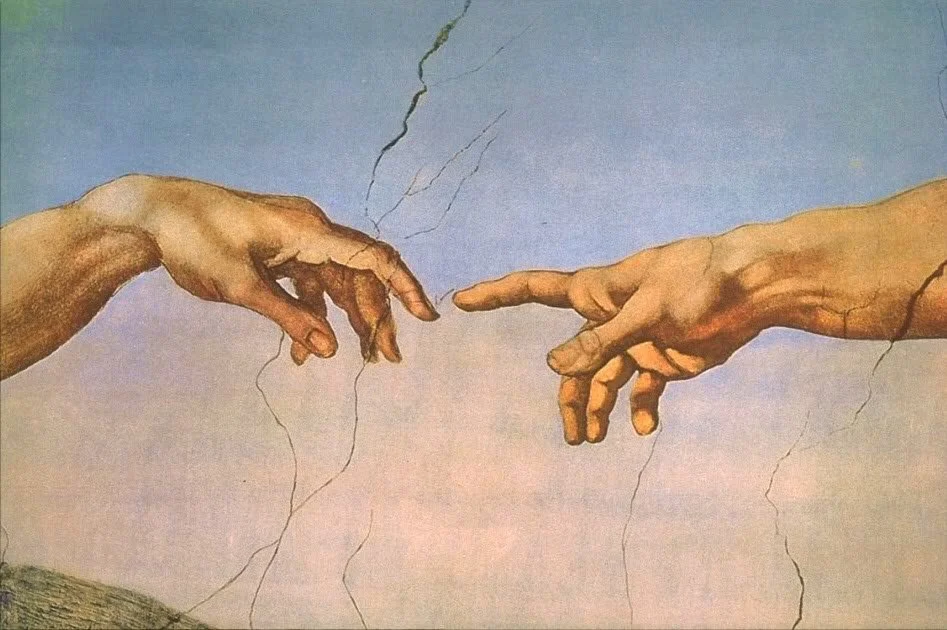
The answer to who "they" refers to is both general and specific. There is a universal truth about how the gospel spreads through proclamation, through sent messengers, through people willing to carry good news into unfamiliar places. But there is also a specific application: Israel has heard, and yet many have not believed. And still, God has not withdrawn his hand. The image Paul leaves us with is striking. All day long, God has held out his hands to a disobedient and obstinate people. Not past tense. Not a closed chapter. All day long.
Living in Supernatural Intelligence: Five Habits to Transform Your Spiritual Life
We live in an age captivated by artificial intelligence. Algorithms know our preferences, predict our behaviors, and answer our questions with startling accuracy. Yet while the world marvels at AI, there exists something infinitely more powerful available to every believer: supernatural intelligence—direct access to the mind of Christ.
The question isn't whether technology is impressive. It is. The real question is this: Do you believe Jesus is smarter than any algorithm, any supercomputer, any innovation humanity has created? If you do, then you understand what it means to be His disciple.
Becoming a Masterpiece: How God Shapes Us Through His Word
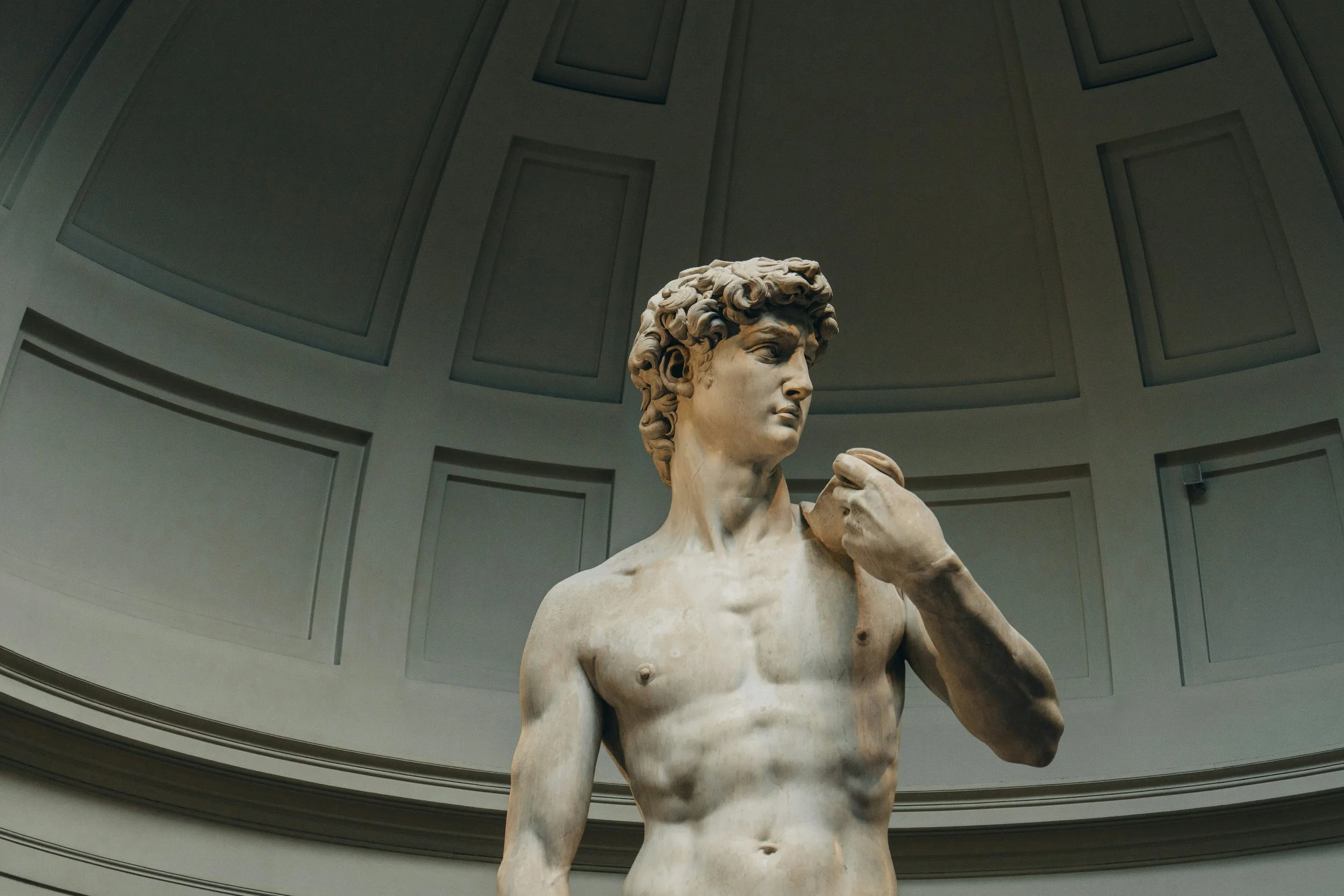
Picture a master sculptor standing before a massive block of marble. With careful precision, he begins to chip away—first removing large chunks, then refining the details, until gradually a magnificent figure emerges. What was once rough and formless becomes a work of art, revealing beauty that was hidden all along.
This is the perfect image of our spiritual journey. When we first come to faith, we often arrive with rough edges and hard lines. But as we walk with Jesus and immerse ourselves in Scripture, God slowly forms and shapes us into who He created us to be. The beauty of this process is that we always have room to grow, always have more potential to be refined into His image.